There’s something magical about children’s books, isn’t there? They sparkle with color, invite curiosity, and open the door to whole new worlds. Unlike adult books that are heavy on research and have complex language, children’s stories are all about creativity, play, and heart. They’re fun to write, but they also carry real meaning, shaping the way young readers think and dream.
The tricky part? Getting started. A lot of writers feel drawn to this genre, but freeze when it’s time to put words on the page. That’s where this guide steps in. These practical children’s book writing tips are here to help you avoid common stumbles, tap into a child’s imagination, and craft stories that don’t just entertain, they stick.
What Do You Need to Know About Children’s Literature
Before diving into writing children’s books, it is first important to understand what makes the children’s literature book unique. Since these books are crafted for the young readers in mind, they should capture the attention of their target audience and should deliver stories that are easy to understand and meaningful.
Remember, you need to pair up colorful visuals with the right words to create a lasting impression on kids. All it has to be is simple and engaging.
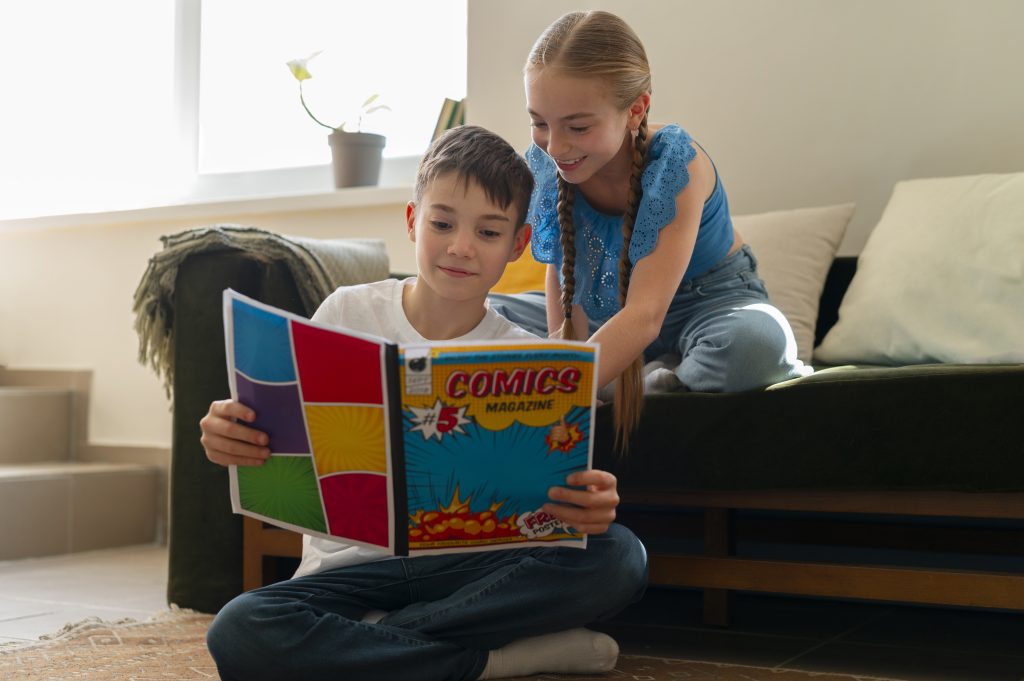
What Makes a Children’s Book Different?
A children’s book often has very simple language with very bright and colorful illustrations, along with relatable characters. The words are highly readable, clear, and simple for young readers, making them understandable for young groups without any struggle. Children’s books often convey fun and memorable lessons with gentle language, which is why they are liked heavily. When you know the key steps to write a children’s book, you can easily create stories that help to nurture young minds.
If you want a deeper understanding of the creative process, this guide on how to write a children’s book explains the complete journey from idea to finished story.
Age Groups and Categories
Every children’s book belongs to an age category. These categories help authors know how many words to use, what themes to explore, and what type of illustrations to include. If you’re curious about the creative process behind children’s book artwork, you can check out how to become a children’s book illustrator
Picture Books (Ages 0–5)
Picture books rely heavily on images. They use very few words, often in rhyme or repetition, to keep toddlers and preschoolers engaged.
Early Readers (Ages 5–7)
At this stage, children begin to read more on their own. Stories are simple, with short sentences and repeated patterns that help build confidence.
Chapter Books (Ages 7–9)
Chapter books introduce more words and slightly longer plots. They usually contain light adventures that remain easy to understand.
Middle Grade (Ages 9–12)
Middle-grade novels allow deeper themes and more developed characters. Plots are richer, and stories often tackle challenges children can relate to in real life.
16 Tips for Writing Your First Children’s Book
Now that you know the basics of children’s literature, let’s dive into practical advice. Below are the steps to write a children’s book. They will help you plan, draft, and refine your very first children’s book.
1. Dive Deep into the Genre
The best way to understand children’s books is to read them. Explore different age categories and pay attention to how authors shape characters, plots, and themes.
2. Know Your Target Age Group
Each age group has its own needs. Understanding these will help you set the right tone, vocabulary, and structure for your book.
3. Keep the Language Simple
Children appreciate clarity. Use short words, short sentences, and avoid complicated phrases. Simplicity helps young readers feel confident.
4. Focus on a Strong Theme
Every children’s book carries a core idea. Friendship, kindness, courage, or discovery can give your story a foundation that resonates with children and parents alike.
5. Create Memorable Characters
Children often remember characters more than plots. Design characters with unique traits or quirks that make them relatable and unforgettable.
6. Use Imagination and Creativity
Children’s books thrive on wonder. Add playful details, magical elements, or humorous twists that capture the joy of storytelling.
7. Balance Entertainment with Lessons
A good children’s story entertains first, but still teaches gently. Instead of preaching, weave lessons naturally into the adventure.
8. Keep the Story Structure Clear
Children need stories that follow a simple path: a beginning that sets the stage, a middle that builds excitement, and an ending that satisfies.
9. Write with Rhythm and Rhyme (Optional)
Rhyme creates a musical quality that delights young ears. While not necessary, it adds charm to picture books and early readers.
10. Show, Don’t Tell
Children engage more with action than explanation. Instead of saying a character is happy, show it through laughter, play, or excitement.
11. Pay Attention to Word Count
Each age group expects a certain length. Keeping to these limits ensures your book feels natural for the intended readers.
12. Collaborate with Illustrators
Pictures matter as much as words. Working with an illustrator can bring your characters and scenes to life in ways children love.
13. Test Your Story on Children
Share your story with kids in your target age group. Their reactions will tell you more than any adult critique.

14. Avoid Talking Down to Kids
Respect young readers. Use clear words, but never assume they cannot understand emotions or clever ideas.
15. Edit and Proofread Carefully
Errors distract and weaken your story. Careful editing and proofreading ensure that your book feels polished and professional.
16. Be Persistent and Patient
Publishing a children’s book takes time. Patience and persistence will help you push through challenges until your book reaches young readers.
Final Thoughts
With the aforementioned children’s book writing tips, you can easily craft stories that are joyful, full of lessons, and can leave a lasting impression on young minds. Ensure to write with all your heart and mind while respecting kids’ gentle nature and needs. And if you ever feel stuck, you don’t have to do it alone. Ghostwriting Assistance can help you shape your ideas, polish your voice, and guide your book from concept to completion. Together, we’ll make sure your story not only shines on the page but also finds its way into the hands of the children who need it most.
Frequently Asked Questions
1. How do I start writing my first children’s book?
Begin by choosing a target age group, reading widely in that category, and shaping a simple story with clear characters and themes.
2. What is the ideal length of a children’s book?
The length depends on age. Picture books often stay under 800 words, while middle-grade novels can stretch to 50,000 words.
3. Do all children’s books need illustrations?
Most do, especially picture books and early readers. Illustrations bring the story alive and help children connect with the words.
4. How can I make my children’s story engaging?
Use imagination, humor, and relatable characters. Keep the plot simple but exciting, with a clear beginning, middle, and satisfying ending.
5. Is self-publishing a good option for children’s authors?
Yes, self-publishing offers full control over design and marketing. It works well if you are ready to invest time in promotion.