Ghostwriting has always had a bit of mystery about it. You pick up a memoir, maybe from an actor or an athlete, and the words sound like they came straight from their heart. But often, another writer has been sitting quietly in the background, shaping those memories and polishing the sentences. That’s the ghostwriter’s job: being invisible, but essential.
Now there’s a new twist. Artificial intelligence has barged into the room. Tools that can spit out blog posts, chapter outlines, even semi-decent drafts, all in a matter of seconds. And suddenly the question is floating around: Does ghostwriting have a future if machines can write, too?
Ghostwriting Before the Machines
The practice itself goes back centuries. Kings and generals had scribes. Politicians used speechwriters. Modern business leaders and influencers still rely on ghostwriters to keep up with the demand for polished content. The concept never changed much: your story, someone else’s pen.
But what made ghostwriting valuable wasn’t just words on a page. It was the ability to listen. To sense the emotion hiding between pauses. To take messy notes or rushed conversations and shape them into something that actually sounds like you. That’s the part no software has ever been able to fake, no matter how advanced ghost writing AI becomes.
Why Ghostwriters Still Matter
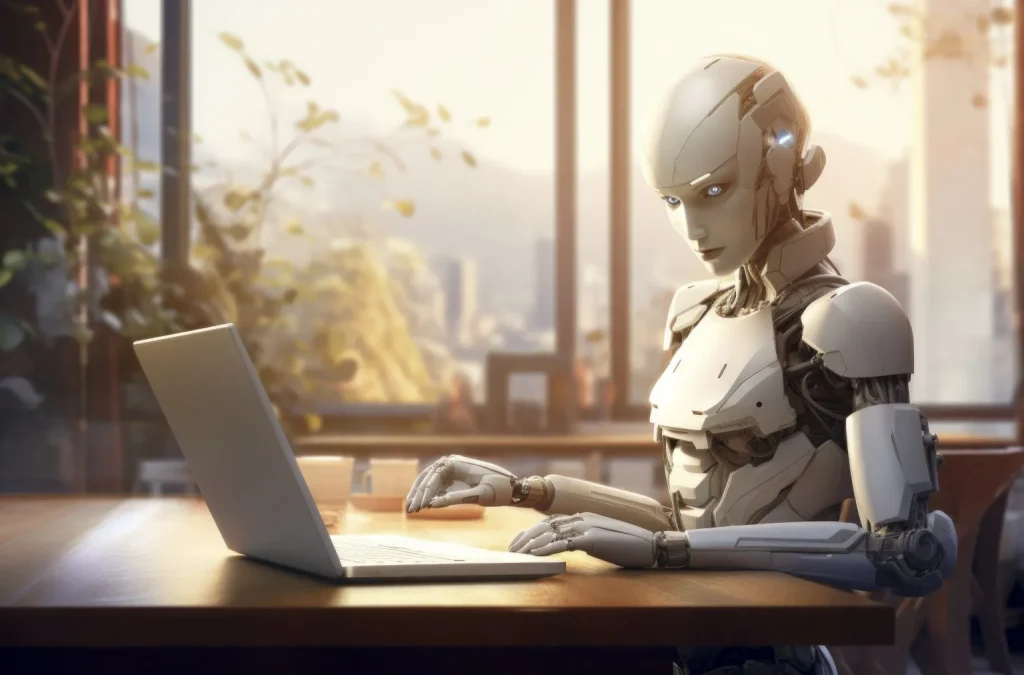
Clients don’t just want writing they want connection. They want someone who can sit across the table, nod in the right places, and then turn a messy story into something worth reading. This is where ghostwriters shine.
Take a CEO writing a memoir. AI might crank out a polished business book filled with clichés about leadership and vision. But a ghostwriter will dig deeper, asking questions about failures, rivalries, and regrets — the parts that make the story human. That’s what sticks with readers. Not the jargon. Not the templates. The details only a conversation can reveal. In short, even with ghost-writing AI tools, the heart of storytelling still belongs to people.
A Quick Myth: It’s Just About Writing
Many people think ghostwriting is simply putting words on paper. In reality, it’s about capturing voice, intent, and emotion skills that go far beyond typing sentences. That’s why ghostwriters remain essential, even as tools evolve.
What AI Can Do (and Why Writers Use it Anyway)
Let’s not pretend AI doesn’t bring something useful to the table. It’s fast. Faster than any human could ever be. A blank screen that once caused a headache can be filled with a passable draft in seconds. For ghostwriters working under deadlines, that’s nothing.
Plenty of writers already use AI as a kind of assistant. It can throw out headline ideas, summarize a dozen articles into one quick page, or help draft boring filler text like background definitions. It’s like having a tireless intern who never complains about the coffee. This has sparked debates comparing AI-Written v. Human approaches, where efficiency faces off against authenticity.
Where AI Falls Flat
But here’s the kicker: speed isn’t everything.
AI doesn’t understand. It doesn’t feel the weight of grief in a widow’s memoir, or the humor in a business leader’s self-deprecating story. It predicts words. That’s it. Which means the deeper the story, the more obvious the gaps become.
There’s also the risk of getting things flat-out wrong. AI sometimes “hallucinates” details, citing quotes that don’t exist or facts that don’t check out. Imagine handing that to a client. Not a great look.
And maybe the biggest flaw? Voice. AI can get close, but it’s usually “close enough” in the most generic way possible. Readers notice when something feels off. They can tell when the language sounds like a template instead of a person. This is where the AI-written v. Human comparison becomes impossible to ignore. People crave the human touch.
Did You Know? AI Has Limits Too
Even the most advanced tools are only as good as their training data. They can remix what already exists, but they can’t invent lived experience, fresh perspective, or original insight. That’s why ghostwriters treat AI as a helper, not a replacement.
The Likely Future: A Bit of Both
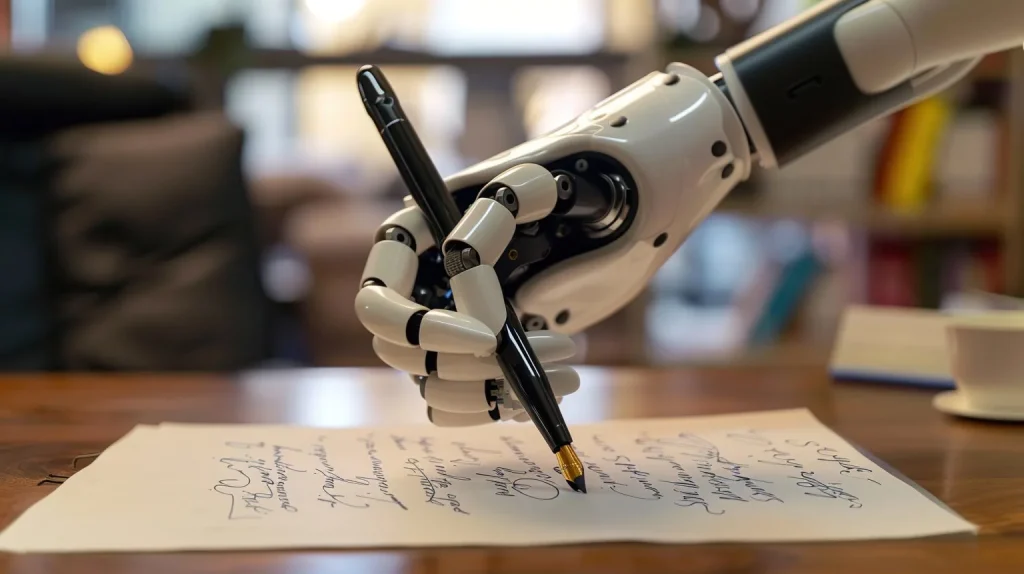
So, is AI the enemy? Probably not. For many ghostwriters, it’s just another tool like a thesaurus or a dictation app. It handles grunt work, while the ghostwriter handles the craft.
Think of it this way: a carpenter might use a machine to cut wood, but it’s the carpenter who designs the table, decides the finish, and checks if it wobbles. Same idea here. AI drafts, ghostwriters refine. Machines can suggest; humans decide.
Opportunities and Risks
Interestingly, AI might make ghostwriting more accessible. Not every client can pay tens of thousands for a book. But with AI handling the rough work, ghostwriters could offer lighter, cheaper packages. Small business owners or influencers who never considered it before might suddenly be able to afford help.
On the flip side, the market could get flooded with bland, AI-heavy books and blogs. If everyone is publishing at lightning speed, standing out will be harder. Ironically, that could push demand up for human-crafted stories. Readers can sense the difference, and in a world filled with generic text, authenticity will become the premium.
The Ethics Nobody Wants to Tackle
There’s another layer to this: ethics.
- If an AI writes 30% of a draft, does the ghostwriter admit it?
- Who owns the copyright of words an algorithm generated?
And what happens to beginner ghostwriters, the ones who usually cut their teeth on small projects, if AI takes over that part of the market?
These aren’t easy questions. And right now, there aren’t many solid answers. Some ghostwriters are upfront with clients about using AI. Others don’t mention it at all. Over time, the industry will probably set clearer boundaries, just like it did with plagiarism, editing, and collaboration. If you want to understand the full scope, everything you should know about ghostwriting is a great place to start.
Lessons from the Past
If history tells us anything, it’s this: new tools don’t wipe out professions; they reshape them. When digital cameras hit the market, people thought photographers were doomed. Instead, the profession shifted less about snapping a picture, more about creating a story through images.
When calculators appeared, accountants weren’t replaced. They just moved into more strategic roles. The same is happening now. AI will likely handle routine drafting, while ghostwriters lean harder into storytelling, empathy, and voice — the things machines can’t touch.
What’s Ahead
Looking at the next few years, here’s what seems likely:
AI Becomes Normal
Like spellcheck, it’ll just be part of the process. Curious about why content writers use ChatGPT for their work? The reasons might surprise you.”
Premium Ghostwriting Survives
Memoirs, thought-leadership books, and personal projects will still demand a human touch.
Hybrid Services Rise
Some agencies will market “AI-assisted ghostwriting” as a faster, cheaper option.
Ethics Mature
Clearer guidelines will emerge around credit, ownership, and disclosure.
Wrapping It Up
So, back to the question: is AI the future of ghostwriting?
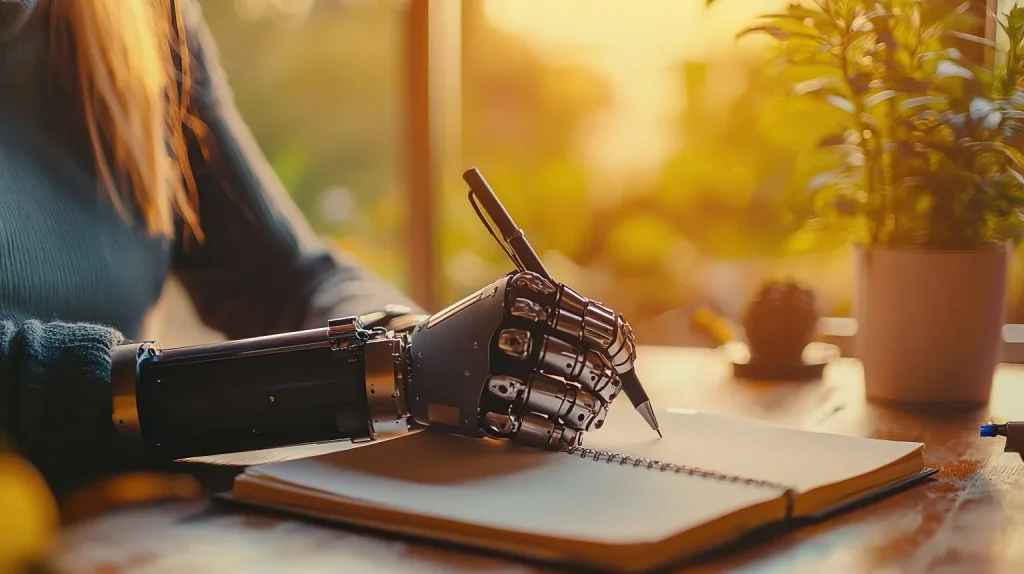
Yes, in the sense that it’s already changing how ghostwriters work. The smart ones are learning to use it as a tool, not ignoring it. It can cut time, help brainstorm, and speed up the dull parts.
But also no — because ghostwriting has never just been about words. It’s about capturing someone’s voice. Their quirks, their humor, their struggles. AI can draft sentences, but it can’t lean in during an interview and say, “Tell me more about that moment.” That’s what makes ghostwriting powerful, and that’s what makes it human.
In all likelihood, the future is hybrid. Machines will generate scaffolding, and ghostwriters will fill in the heart. And maybe that’s the best outcome of all, more efficiency, without losing the thing that matters most: authenticity.
If you’re looking for a partner to help shape your story with that balance of efficiency and heart, that’s exactly what we at Ghostwriting Assistance do. Reach out to us today!
AI is transforming the way writers approach content creation, offering tools that streamline research, drafting, and editing. With the rise of technology, even experienced writers are exploring how AI can enhance productivity and creativity. For those looking to sharpen their craft, Online Ghostwriting in 2026: How It Can Improve Your Writing Skills shows how combining AI tools with professional guidance can take your writing to the next level. Embracing these innovations may well define the future of content creation.
FAQs
1: Can AI completely replace ghostwriters?
Not really. AI can draft and speed up tasks, but it lacks empathy and nuance. Ghostwriters capture human voices, emotions, and experiences that algorithms simply can’t replicate.
2: How are ghostwriters using AI today?
Many use AI as a helper summarizing research, generating outlines, or breaking writer’s block. The real storytelling, editing, and emotional depth still come from the ghostwriter.
3: Does using AI in ghostwriting raise ethical concerns?
Yes. Questions about ownership, disclosure, and fairness for human writers remain unresolved. Transparency and clear agreements between clients and ghostwriters are becoming increasingly important.
4: Will AI make ghostwriting more affordable for smaller clients?
It might. By handling repetitive work, AI could reduce costs. This could allow entrepreneurs, influencers, and smaller brands to access ghostwriting services previously out of reach.
5: What does the future of ghostwriting look like with AI?
Most likely hybrid. AI will handle drafts and efficiency, while ghostwriters refine tone, add humanity, and ensure authenticity — keeping storytelling alive and personal.